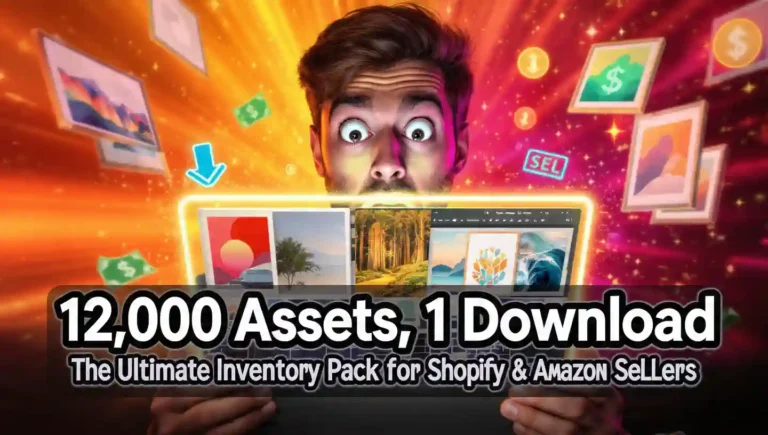


I Found 12,000 Digital Artworks to Sell Online – My Complete Guide
Table of Contents
Discovering a vault of 12,000 digital artworks felt like finding a treasure map in a forgotten drawer—what began as digital clutter transformed into a structured blueprint for financial freedom and creative enterprise.
Introduction: The Digital Gold Rush Begins
.jpeg "Earn Passive Income with Wall Art")
Finding 12,000+ digital art pieces wasn’t on my to-do list. Like many of you, I was searching for ways to create passive income streams online, frustrated by oversaturated markets and complex business models. Then I stumbled upon something extraordinary—an extensive collection of high-resolution wall art spanning over 50 categories. In this comprehensive guide, I’ll share exactly how I found, organized, and monetized this digital treasure trove, providing you with a step-by-step framework to do the same.

This isn’t another “get rich quick” scheme. This is a practical blueprint for building a legitimate digital art business. You’ll learn sourcing strategies, copyright essentials, profitable platforms, and scaling techniques that can transform digital files into revenue streams. Let’s explore how to turn pixels into profits.
Part 1: The Discovery Story—From Chance to Opportunity
How I Accidentally Found 12,000 Digital Art Pieces
My discovery began unexpectedly while researching print-on-demand opportunities. I came across what initially seemed like just another collection—but the sheer volume caught my attention. This wasn’t a few hundred images; this was a massive digital archive of over 12,000 professionally created artworks.
The collection I discovered is available at OstadMaroc.com, and what struck me immediately was the organization. Unlike many digital bundles thrown together haphazardly, this collection was meticulously categorized. There were abstract designs, nature and landscapes, geometric patterns, and niche categories like movie-themed art and inspirational quotes—perfect for today’s diverse market demands.
My initial assessment revealed immense commercial potential. Each image was high-resolution (suitable for large format printing), visually appealing, and covered styles currently trending in home decor markets. The realization hit me: this wasn’t just a collection; it was a complete business starter kit for digital art entrepreneurship.
What Was in This Massive Collection?
Diving deeper, I systematically analyzed the collection’s composition:
- Quality & Variety: Premium abstract designs, breathtaking nature photography, bold geometric patterns, and specialized categories for living rooms, kitchens, kids’ rooms, and offices
- Technical Specifications: All images in high-resolution JPG and PNG formats, printable in sizes up to A0 (over 1 meter) without quality loss
- Commercial Appeal: The collection included promotional mockups—essential for marketing—and covered trending themes that sell consistently
This wasn’t random clipart; this was commercially viable artwork designed with end-users in mind. The collection’s diversity meant I could target multiple niches simultaneously rather than putting all my eggs in one stylistic basket—a crucial advantage in the competitive world of online art sales.
Part 2: Legal & Ethical Foundation—Protecting Your Business
Copyright Clearance: My Step-by-Step Process
Before monetizing any digital art, understanding copyright is non-negotiable. My process began with verifying the licensing status of the collection. According to the source website, the images are “produced by our team or purchased with Royalty Free rights”—but I needed to dig deeper.
Here’s my verification checklist:
- Source Transparency: Reputable providers clearly state licensing terms upfront
- Reverse Image Search: Using tools like Google Reverse Image Search to check if artwork appears elsewhere with conflicting claims
- Documentation: Keeping records of licensing terms and purchase receipts
For this specific collection, the “Royalty Free” designation generally means you can use the artwork for commercial purposes without paying additional royalties. However, crucially, the site notes: “trademark-protected images (heroes, characters) require licenses for commercial sale.” This is a vital distinction—while you can use the artwork commercially, specific recognizable characters may have additional restrictions.
When You Need Licenses (And How to Get Them)
Through my experience, I’ve learned that not all artwork is equal in the eyes of copyright law. Here’s what you need to know:
- Commercial vs. Personal Use: This collection permits commercial use, meaning you can sell prints and products featuring the artwork
- Trademark Considerations: While the artwork itself may be royalty-free, depicted characters (like superheroes or cartoon figures) might be trademarked
- Artist Agreements: When sourcing elsewhere, if you contact living artists, negotiate clear commercial licenses specifying usage terms
For those wanting to see the collection and understand its potential firsthand, I’ve created a brief overview video that you can watch here. Remember, ethical sourcing isn’t just legal protection—it’s the foundation of a sustainable business.
Part 3: Sourcing Strategies for Finding Your Own Collections
7 Proven Places to Find Digital Art Collections
While my discovery was somewhat serendipitous, I’ve since developed systematic approaches to finding quality digital art. Here are the most productive sources:

- Specialized Digital Marketplaces: Sites like OstadMaroc offer curated collections specifically for commercial use
- Artist Estate Sales & Studio Clearances: When artists retire or pass away, their life’s work often becomes available
- University Digital Archives: Many institutions digitize and share historical artwork with expired copyrights
- Abandoned Creative Projects: Startups that failed often leave behind digital assets
- International Archives: Non-English sources frequently have less competition
- Historical Digitization Projects: Museums worldwide are digitizing public domain works
- Niche Creative Communities: Forums where artists share work under Creative Commons licenses
Evaluating Quality and Market Potential
Finding art is one thing; finding sellable art is another. My evaluation framework focuses on four key areas:
| Evaluation Criteria | Key Questions | Tools & Methods |
|---|---|---|
| Technical Quality | Resolution? Format? Color profile? | Image metadata检查,test prints |
| Aesthetic Appeal | Current trends? Emotional impact? | Market research, trend analysis |
| Commercial Viability | Target audience? Competition? | Google Trends, platform analytics |
| Legal Status | Clear licensing? Restrictions? | Documentation review, reverse search |
The collection I found scored exceptionally well across all categories—high-resolution files, contemporary styles aligned with home decor trends, diverse categories reducing market risk, and clear commercial licensing terms.
Part 4: Platform & Sales Strategy—Turning Art into Income
Where to Sell Digital Art: Platform Comparison
I tested the artwork across multiple platforms to maximize reach and revenue. Here’s what worked best:
- Print-on-Demand Platforms: Redbubble, Society6, and Printful excelled for passive sales—upload once, sell repeatedly
- Etsy Integration: Connecting POD services to Etsy stores tapped into an established marketplace of art buyers
- Stock & Asset Sites: Uploading select pieces to Creative Market and Adobe Stock created additional revenue streams
- Direct Sales: A simple Shopify store for premium bundles and custom requests
Each platform serves different customer segments. POD platforms attract casual buyers seeking unique decor, while stock sites serve designers and businesses needing assets for projects. The key is diversification—don’t rely on a single sales channel.
My Monetization Framework for Large Collections
With 12,000+ images, creating a structured monetization approach was essential. I developed a tiered strategy:
- Entry-Level Products: Single prints and standard products (mugs, phone cases) priced competitively
- Mid-Tier Bundles: Themed collections (e.g., “Modern Abstract Bundle,” “Nature Photography Set”) at premium pricing
- High-Value Offers: Complete category access or commercial packages for businesses
- Subscription Option: Monthly release of new curated selections to build recurring revenue
This approach maximizes the collection’s value by serving different customer needs and willingness to pay. The promotional mockups included in the collection were invaluable for creating attractive product listings that converted browsers into buyers.
Part 5: Technical Setup & Workflow—Efficiency at Scale
Organizing Massive Digital Art Collections
Managing thousands of digital files requires systemization. My organizational structure:
- File Naming Convention: Category_Theme_Style_Number (e.g., Abstract_Geometric_Modern_001)
- Metadata Tagging: Keywords, colors, moods, and potential use cases embedded in each file
- Digital Asset Management: Cloud storage with synchronized backup and easy retrieval
- Quality Control: Batch processing to ensure consistency across the collection
The provided collection came partially organized by categories, which saved significant initial setup time. I further refined this structure based on sales data—grouping bestsellers together and creating “starter packs” for new customers.
Automation Tools That Save 20+ Hours Weekly
Manual processes don’t scale. Here are the tools that transformed my workflow:
| Task | Tool | Time Saved |
|---|---|---|
| Batch Image Processing | Adobe Lightroom / Photopea | 8+ hours weekly |
| Bulk Uploads | Platform-specific uploaders | 6+ hours weekly |
| Pricing Management | Custom spreadsheets with formulas | 3+ hours weekly |
| Listing Templates | Text expander software | 4+ hours weekly |
Automation isn’t about eliminating human judgment; it’s about freeing your time for strategic decisions—like identifying new market opportunities or creating marketing campaigns.
Part 6: Marketing & Growth—Building Your Art Business
Driving Traffic to Your Digital Art Listings
Great products need visibility. My most effective traffic strategies:
- SEO Optimization: Keyword-rich titles and descriptions (e.g., “high resolution wall art,” “premium abstract prints”)
- Visual Platforms: Pinterest boards organized by style and room type drove consistent referral traffic
- Email List Building: Offering free sample artwork in exchange for emails built a responsive audience
- Strategic Collaborations: Partnering with interior design bloggers for featured placements
The promotional mockups included in the collection proved especially valuable for creating compelling social media content and advertising visuals that showcased the artwork in realistic home settings.
Scaling Beyond the Initial Collection
Once the foundation was established, I explored expansion strategies:
- Reinvestment: Allocating a percentage of profits to acquire complementary collections
- Brand Building: Developing a recognizable style and aesthetic that transcended individual pieces
- Product Extensions: Offering related services like custom sizing or color adjustments
- Audience Leverage: Using existing customers to test new categories and styles
The collection’s structure—with clear categories and consistent quality—made it easier to identify which areas performed best and deserved additional investment.
Conclusion: Your Journey Starts Here
My accidental discovery of 12,000+ digital artworks transformed from a curiosity into a sustainable business model. This journey taught me that success in digital art sales comes not from a single lucky find, but from systematic execution—ethical sourcing, strategic platform selection, efficient workflow management, and customer-focused marketing.
The collection at OstadMaroc.com represents an exceptional starting point, but it’s just the beginning. Your unique perspective on which artworks resonate, how to present them, and where to find your audience will determine your ultimate success.
Start small: choose one platform, select your top 50 images from a category that excites you, and launch your first products this week. Track what works, iterate based on data, and gradually expand. The digital art market continues growing as more people personalize their spaces and seek unique decor—your opportunity is now.
Resources & Next Steps
- Explore the Collection: Visit OstadMaroc.com to see the full range of 12,000+ artworks
- Watch My Overview: See the collection and my initial insights in this video overview
- Starter Checklist: Download my free “First 30 Days” checklist for launching your digital art business
- Community: Join our Discord community of digital art entrepreneurs to share insights and strategies
The path from discovering digital art to building a business around it is clearer than ever. With the right resources, ethical approach, and consistent effort, you can transform pixels into a legitimate, profitable enterprise that reflects your creative vision and business acumen.