

small business idea sell these high resolusution wall art
.jpeg "Earn Passive Income with Wall Art")
high resolusution wall art Entrepreneurs are constantly on the lookout for innovative small business ideas high resolusution wall art that can thrive in today’s competitive market. One such opportunity lies in selling high-resolution wall art, a niche that has gained significant traction in recent years.


The market for high-resolution wall art is vast and diverse, catering to various tastes and preferences. By leveraging this trend, entrepreneurs can establish a profitable business that appeals to a wide range of customers.
Key Takeaways
- High-resolution wall art is a growing market with vast potential.
- Starting a business in this niche can be profitable.
- Diverse customer preferences offer a wide range of opportunities.
- Leveraging the right marketing strategies is crucial for success.
- Quality products are essential for building a loyal customer base.
The Lucrative World of High-Resolution Wall Art
The world of high-resolution wall art is experiencing a significant surge in popularity, driven by consumer demand for unique and high-quality home decor. This trend is transforming the way people decorate their homes, with high-resolution wall art becoming an essential element in modern interior design.
Current Market Trends in Wall Art
The wall art market is witnessing a shift towards high-resolution prints, driven by advancements in printing technology. Consumers are seeking unique pieces that reflect their personal style.
Consumer Preferences in Home Decor
Homeowners are increasingly looking for art that is not only aesthetically pleasing but also tells a story or evokes an emotional response. This has led to a rise in demand for customized and personalized wall art.
Growth Statistics in the Wall Art Industry
The wall art industry has seen significant growth, with the global market expected to continue expanding. According to recent statistics, the market is projected to grow by 10% annually over the next five years.
Why High-Resolution Makes a Difference
High-resolution wall art offers a level of detail and clarity that is unmatched by lower resolution prints. This results in a more immersive viewing experience and a greater perceived value.
Visual Impact and Perceived Value
High-resolution prints have a significant visual impact, making them more desirable to consumers. The perceived value of these prints is also higher due to their superior quality.
Customer Willingness to Pay Premium Prices
Consumers are willing to pay premium prices for high-resolution wall art due to its exclusivity and quality. This presents a lucrative opportunity for artists and entrepreneurs.
| Market Trend | Growth Rate | Consumer Preference |
|---|---|---|
| High-Resolution Prints | 10% annually | Customized and Personalized Art |
| Unique Art Pieces | 8% annually | Storytelling and Emotional Connection |
Exploring Profitable Wall Art Niches
The world of wall art is vast and diverse, offering numerous profitable niches for entrepreneurs to explore. To capitalize on this market, it’s essential to understand the different categories that can attract various customer segments.
Photography-Based Wall Art
Photography-based wall art is a popular niche, offering a range of styles that can appeal to different tastes. This category includes:
Landscape and Urban Photography
Landscape and urban photography offer breathtaking views and cityscapes that can transform any room. These images are often sought after for their ability to bring the outdoors inside.
Portrait and Lifestyle Images
Portrait and lifestyle images capture moments and emotions, making them perfect for customers looking for personalized or relatable art.
Digital Art and Illustrations
Digital art and illustrations provide a modern and versatile niche, encompassing various styles and techniques. Key areas within this niche include:
Vector Art and Digital Paintings
Vector art and digital paintings offer unique visual experiences, from intricate designs to vibrant color schemes.
AI-Generated Art Opportunities
AI-generated art is an emerging field, providing new and innovative ways to create wall art. This technology allows for the production of complex and detailed pieces that can appeal to tech-savvy customers.
“The advent of AI in art generation has opened up new avenues for creativity and innovation in wall art.”
— Art Industry Expert
Text and Typography Art
Text and typography art focus on the aesthetic use of words and letters, creating visually appealing pieces that convey messages or emotions. Popular forms include:
Quote Prints and Motivational Art
Quote prints and motivational art inspire and motivate, making them ideal for home offices or personal spaces.
Custom Name and Date Designs
Custom name and date designs offer personalized wall art options, perfect for gifts or commemorative pieces.
| Niche | Description | Target Audience |
|---|---|---|
| Photography-Based Art | Landscape, urban, portrait, and lifestyle photography | Customers seeking realistic and emotive art |
| Digital Art and Illustrations | Vector art, digital paintings, AI-generated art | Those who appreciate modern and innovative designs |
| Text and Typography Art | Quote prints, motivational art, custom name and date designs | Individuals looking for inspirational or personalized art |
By understanding and catering to these niches, entrepreneurs can effectively tap into the wall art market, offering products that resonate with their target audiences.
Essential Equipment for High-Resolution Wall Art Production
High-resolution wall art production demands precision and the right tools, from cameras to printing technology. To achieve the best results, understanding the essential equipment is crucial.
Cameras and Scanning Equipment
For high-quality wall art, the right camera or scanning equipment is vital. DSLR and mirrorless cameras are popular choices for capturing images.
DSLR vs. Mirrorless Options
When choosing between DSLR and mirrorless cameras, consider factors like image quality, lens availability, and ergonomics. Mirrorless cameras offer advantages in size and weight, while DSLRs provide optical viewfinders.
Software Requirements
Software plays a critical role in editing and enhancing images. Key software includes photo editing tools and design programs.
Photo Editing Software Comparison
Popular photo editing software includes Adobe Photoshop and Lightroom. Each has its strengths, with Photoshop exceling in detailed editing and Lightroom in batch processing.
Design Programs for Creating Original Art
For creating original digital art, programs like Adobe Illustrator are indispensable, offering vector graphics capabilities.
Printing Technology Options
Printing technology is where your art comes to life. Choices include in-house printing and outsourcing.
In-House vs. Outsourced Printing
In-house printing offers control, while outsourcing can save on equipment costs. Consider your production volume and quality needs.
Printer Specifications for Quality Results
For high-resolution prints, look for printers with high DPI and a wide color gamut.
- High DPI for detailed images
- Wide color gamut for vibrant colors
Production Methods and Material Selection
When it comes to producing high-resolution wall art, the choice of production methods and materials is crucial for achieving the desired quality and aesthetic appeal. The selection process involves considering several factors, including durability, cost, and the intended use of the final product.
Canvas Prints vs. Fine Art Paper
Canvas prints and fine art paper are two popular options for wall art. Canvas prints offer a textured, premium feel, while fine art paper provides a more traditional, photographic look.
Longevity and Durability Considerations
Canvas prints are known for their durability and resistance to fading, making them a great choice for high-traffic areas. Fine art paper, when properly coated and cared for, can also last for many years.
Aesthetic Differences and Applications
The choice between canvas and fine art paper often comes down to personal preference and the intended application. Canvas is ideal for bold, statement pieces, while fine art paper is better suited for detailed, high-resolution images.
Metal, Wood, and Alternative Substrates
Beyond traditional canvas and paper, metal, wood, and other alternative substrates are gaining popularity for their unique visual effects and durability.
Metal Prints: Production and Appeal
Metal prints are produced using a dye-sublimation process, resulting in vibrant, long-lasting images. They are particularly effective for modern, abstract, and contemporary art.
Wood and Acrylic Print Options
Wood and acrylic prints offer a natural, organic look and feel. They are ideal for creating distinctive, eye-catching pieces that add a touch of warmth to any room.
Framing Options and Presentation
The framing of wall art can significantly impact its overall appearance and presentation. Choosing the right frame style and material is essential for enhancing the artwork.
Frame Styles and Materials
Frame styles range from simple and modern to ornate and traditional, with materials including wood, metal, and composite materials.
Ready-to-Hang Solutions
Ready-to-hang solutions, such as pre-framed prints or floating frames, offer convenience and a professional finish, making it easier to display wall art.
Small Business Idea: Sell These High-Resolution Wall Art Styles
Transforming your passion for art into a successful business venture starts with understanding the most profitable high-resolution wall art styles. The demand for unique and high-quality wall art has been on the rise, driven by homeowners and businesses looking to enhance their spaces with captivating visuals.
Landscape and Nature Photography
Landscape and nature photography remains a popular choice for wall art, offering a serene and natural aesthetic to any room. These types of photographs can range from breathtaking sunsets to tranquil forest scenes.
Seasonal Collections Strategy
Creating seasonal collections can help keep your offerings fresh and relevant, capitalizing on holidays and seasonal themes.
Local Landmarks and Tourist Appeal
Featuring local landmarks can add a unique touch, making your art more relatable and desirable to customers looking for pieces that reflect their local environment.
Abstract and Modern Designs
Abstract and modern designs are highly sought after for their ability to add a contemporary touch to interior spaces. These designs often feature bold colors and innovative patterns.
Color Theory for Interior Design
Understanding color theory is crucial for creating art that complements and enhances interior design schemes.
Minimalist and Geometric Trends
Minimalist and geometric trends continue to be popular, offering clean and sophisticated options for consumers.
| Art Style | Description | Target Audience |
|---|---|---|
| Landscape Photography | Serene natural scenes | Homeowners seeking calm environments |
| Abstract Designs | Bold, contemporary art | Businesses and individuals looking for modern decor |
| Customized Art | Personalized pieces for special occasions | Families and pet owners |
Customized and Personalized Art
Customized and personalized art offers a unique opportunity to connect with customers on a personal level, creating memorable pieces for special occasions.
Family Portraits and Special Occasions
Family portraits and art commemorating special occasions are cherished by customers, providing a meaningful way to celebrate loved ones.
Pet Portraits and Memorial Art
Pet portraits and memorial art have become increasingly popular, allowing pet owners to honor their pets in a beautiful and lasting way.
Trending Themes and Subjects
Staying abreast of trending themes and subjects is vital for maintaining a competitive edge in the wall art market.
Social Media-Inspired Art Trends
Social media platforms often drive art trends, with popular themes and subjects emerging from online communities.
Seasonal and Holiday-Specific Designs
Creating art that aligns with seasonal and holiday themes can help capitalize on timely consumer interests.
Setting Up Your Wall Art Business
To turn your passion for wall art into a thriving business, you need to lay a solid foundation. This involves several critical steps that will help you establish a strong presence in the market.
Legal Considerations and Business Structure
One of the first steps in setting up your wall art business is to address the legal considerations. This includes deciding on a business structure that suits your needs.
Business Licenses and Permits
Obtaining the necessary business licenses and permits is crucial for operating a legitimate business. The requirements vary by location, so it’s essential to research the specific regulations in your area. For instance, you may need a sales tax permit if you’re selling products online or in-person.
Copyright and Intellectual Property
Protecting your intellectual property is vital in the creative industry. Consider registering your work with the U.S. Copyright Office to prevent unauthorized use. This step can provide legal recourse in case of infringement.
Creating a Brand Identity
Developing a strong brand identity is key to differentiating your wall art business from competitors. This involves creating a cohesive visual brand and a compelling brand story.
Logo and Visual Brand Elements
Your logo and visual brand elements, such as color schemes and typography, should reflect the essence of your brand. Invest in professional design if necessary, to ensure a polished look. For example, a minimalist logo might suit a modern art brand.
Brand Story and Unique Selling Proposition
Crafting a compelling brand story and unique selling proposition (USP) can help attract and retain customers. Your brand story should resonate with your target audience, while your USP should clearly state what sets your wall art apart.
Initial Investment and Budget Planning
Understanding your initial investment and planning your budget is crucial for the sustainability of your business. This includes estimating costs for equipment, marketing, and operational expenses.
Equipment and Startup Costs
List your necessary equipment and startup costs, such as cameras, printing technology, and software. For example, a high-resolution camera might be a significant initial expense.
Operating Expenses and Cash Flow
Monitor your operating expenses and manage your cash flow carefully. This includes costs like materials, shipping, and marketing. Maintaining a positive cash flow is essential for long-term success.
By carefully planning these aspects, you can establish a robust foundation for your wall art business.

Pricing Strategies for Maximum Profit
Maximizing profit in the high-resolution wall art business requires a deep understanding of effective pricing strategies. To achieve this, business owners must consider both the cost analysis and the psychological impact of their pricing on potential customers.
Cost Analysis and Pricing Formulas
A thorough cost analysis is foundational to developing a pricing strategy. This involves calculating the total cost of producing and selling your wall art.
Material and Production Costs
Material costs include the expenses associated with printing, canvas, frames, and other materials. For instance, high-quality canvas and ink can significantly impact your costs.
Labor and Overhead Calculations
Labor costs involve the time spent on producing, marketing, and selling the art. Overhead includes expenses like studio rent and utilities.
| Cost Component | Estimated Cost |
|---|---|
| Materials | $50 |
| Labor | $100 |
| Overhead | $20 |
| Total | $170 |
Psychological Pricing Techniques
Understanding how customers perceive prices can significantly influence sales. Techniques like premium pricing and bundle pricing can enhance the perceived value of your art.
Premium Pricing and Perceived Value
Pricing your art at a premium can create a perception of higher quality and exclusivity, appealing to customers looking for unique pieces.
Bundle Pricing and Limited Editions
Offering bundles or limited editions can create a sense of urgency and value, encouraging customers to make a purchase.
By combining a thorough cost analysis with effective psychological pricing techniques, small business owners can develop pricing strategies that maximize profit while appealing to their target market.
Marketing Your High-Resolution Wall Art
In the digital age, marketing wall art effectively means leveraging online platforms. A robust online presence is crucial for reaching potential customers and showcasing your high-resolution wall art.
Building an Online Presence
Creating a professional website is the first step in establishing an online presence. This involves selecting a suitable e-commerce platform and optimizing it for search engines.
Website Development and SEO
Website development should focus on user experience and search engine optimization (SEO). Using relevant keywords like “high-resolution wall art” can improve your site’s visibility on search engines.
Content Marketing for Art Businesses
Content marketing involves creating valuable content to attract potential customers. Blog posts about the inspiration behind your art, the printing process, and care tips for wall art can engage your audience.
Social Media Marketing Strategies
Social media platforms are powerful tools for marketing wall art. Visual-centric platforms like Instagram and Pinterest are particularly effective for showcasing visual products.
Instagram and Pinterest for Visual Products
Instagram and Pinterest allow you to share high-quality images of your wall art. Utilizing hashtags and engaging with your followers can increase your reach.
Creating Engaging Content and Stories
Creating engaging content involves sharing behind-the-scenes stories, artist interviews, and customer testimonials. This content can help build a loyal community around your brand.
Collaborations and Partnerships
Collaborating with interior designers and influencers can expand your reach. These partnerships can help you tap into new audiences and gain credibility in the market.
Working with Interior Designers
Interior designers can be valuable partners for showcasing your wall art in real-world settings. They can provide feedback on your products and help you reach clients looking for unique art pieces.
Influencer Marketing Opportunities
Influencers on social media can promote your wall art to their followers. Look for influencers whose aesthetic aligns with your brand to maximize the impact of these partnerships.
| Marketing Channel | Primary Benefit | Target Audience |
|---|---|---|
| Website | Central hub for information and sales | Potential customers, interior designers |
| Visual showcase, community engagement | Art enthusiasts, young professionals | |
| Inspiration and idea generation | Home decorators, DIY enthusiasts |
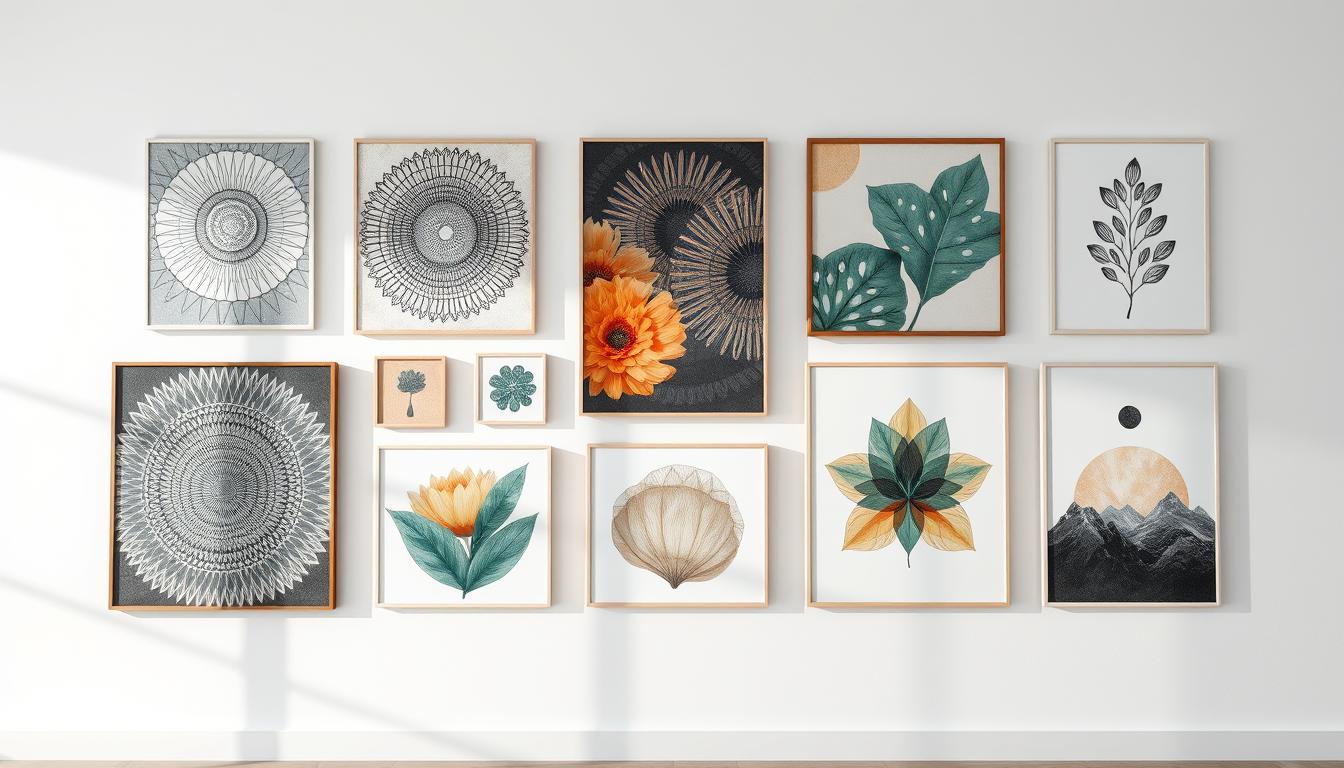
Sales Channels for Wall Art Entrepreneurs
As a wall art entrepreneur, selecting the right sales channels is crucial for reaching your target audience and maximizing profits. In today’s digital age, having a diverse sales strategy can significantly impact your business’s success.
E-commerce Platforms Comparison
Online marketplaces offer a vast potential customer base for your wall art. When choosing an e-commerce platform, consider factors such as fees, target audience, and ease of use.
Etsy, Shopify, and Amazon Handmade
Popular platforms like Etsy, Shopify, and Amazon Handmade cater to different business needs. Etsy is ideal for handmade or unique items, while Shopify offers flexibility in managing your online store. Amazon Handmade is a good choice for artisans looking for a trusted marketplace.
Art-Specific Marketplaces
Niche marketplaces like Saatchi Art or ArtNet can connect you with art collectors and enthusiasts. These platforms often have a curated selection, which can enhance your art’s visibility.
Art Fairs and Local Markets
Participating in art fairs and local markets allows you to showcase your work in person, build brand awareness, and connect with potential customers directly.
Booth Setup and Display Techniques
Creating an attractive and engaging booth is crucial. Use professional display techniques to showcase your art effectively, and ensure your branding is consistent across all materials.
Converting In-Person Interactions to Sales
Train your staff to engage with visitors, share the story behind your art, and follow up with leads after the event to convert interactions into sales.
Working with Interior Designers and Businesses
Building relationships with interior designers and businesses can lead to bulk orders and commercial projects, expanding your customer base beyond individual buyers.
B2B Sales Strategies
Develop a B2B sales strategy that highlights the quality, uniqueness, and customization options of your wall art. Offer competitive pricing and excellent customer service to secure repeat business.
Commercial Projects and Bulk Orders
Pursue opportunities for commercial projects, such as office decor or hospitality industry installations, which can result in significant bulk orders and enhance your business’s reputation.
Conclusion: Building a Sustainable Wall Art Business
As we have explored throughout this article, creating a successful business in the wall art industry requires careful planning, creativity, and a deep understanding of the market. By focusing on high-resolution wall art and identifying profitable niches, entrepreneurs can establish a strong foundation for their business.
To build a sustainable business, it’s essential to consider factors such as production methods, material selection, and pricing strategies. By making informed decisions in these areas, wall art entrepreneurs can ensure their products are of high quality and competitively priced.
The wall art industry is constantly evolving, with new trends and technologies emerging regularly. To stay ahead of the curve, businesses must be adaptable and willing to innovate. By embracing sustainable practices and staying focused on their target market, wall art entrepreneurs can build a loyal customer base and drive long-term success.
With the right combination of creativity, business acumen, and dedication, entrepreneurs can turn their passion for wall art into a thriving sustainable business.
FAQ
What is high-resolution wall art?
High-resolution wall art refers to large-format prints or digital art pieces that are produced with high pixel density, resulting in clear and detailed images.
What types of wall art can I sell as a small business?
You can sell various types of wall art, including landscape and nature photography, abstract and modern designs, customized and personalized art, and trending themes and subjects.
What equipment do I need to produce high-resolution wall art?
To produce high-resolution wall art, you’ll need a good camera or scanning equipment, photo editing software, and a high-quality printer or printing technology.
How do I price my high-resolution wall art for maximum profit?
To price your wall art for maximum profit, you’ll need to consider material and production costs, labor and overhead calculations, and use psychological pricing techniques such as premium pricing and bundle pricing.
What are the best sales channels for wall art entrepreneurs?
Some effective sales channels for wall art entrepreneurs include e-commerce platforms like Etsy and Shopify, art fairs and local markets, and working with interior designers and businesses.
How do I market my high-resolution wall art business?
To market your wall art business, you can build an online presence through website development and SEO, use social media marketing strategies, and collaborate with influencers and interior designers.
What are the legal considerations for starting a wall art business?
When starting a wall art business, you’ll need to consider business licenses and permits, copyright and intellectual property laws, and other legal requirements.
How do I create a brand identity for my wall art business?
To create a brand identity, you’ll need to develop a logo and visual brand elements, craft a brand story and unique selling proposition, and consistently apply your brand across all marketing channels.
What are some profitable niches in the wall art market?
Some profitable niches in the wall art market include photography-based art, digital art and illustrations, text and typography art, and customized and personalized art.
How do I ensure the longevity and durability of my wall art products?
To ensure the longevity and durability of your wall art products, you can use high-quality materials, consider factors like UV resistance and moisture protection, and provide proper care instructions to customers.