


How to Start an Amazon Affiliate Niche Site
.jpeg "Earn Passive Income with Wall Art")
Building a digital business is an exciting journey that offers the potential for long-term passive income. Many entrepreneurs dream of creating a platform that works for them around the clock. Learning how to start an Amazon affiliate niche site is the first step toward turning that vision into a reality.

Success in this competitive United States market requires more than just luck. It demands a strategic mindset focused on providing genuine value to your readers. By choosing the right topic and building trust, you can create a sustainable digital asset that grows over time.
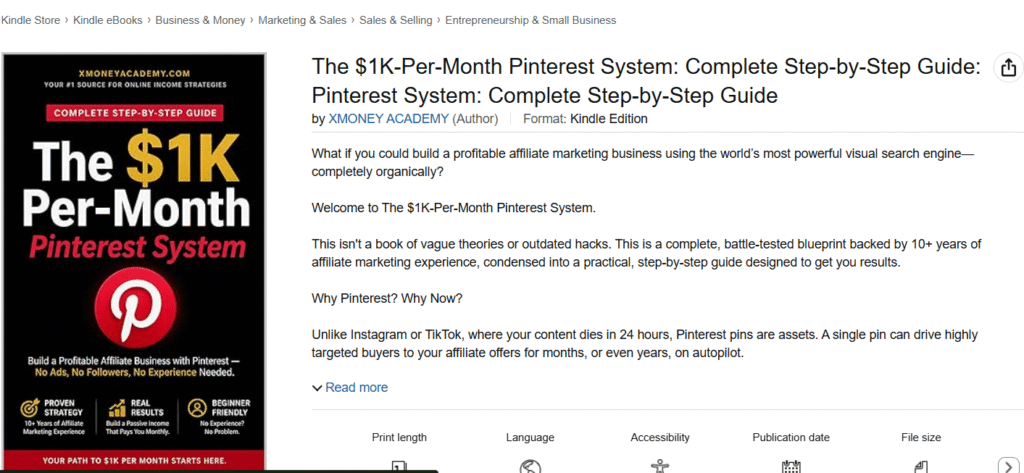

This guide provides a clear roadmap for your venture. We will walk through the foundational steps needed to transition from a beginner into a confident owner of a profitable online project.
Key Takeaways
- Focus on a specific topic to build authority and trust with your audience.
- Prioritize high-quality content that solves real problems for your readers.
- Understand the importance of strategic keyword research for organic growth.
- Build a sustainable business model designed for long-term success.
- Leverage the Amazon Associates program to monetize your traffic effectively.
Selecting a Profitable Niche
Your success as an affiliate marketer begins with one crucial decision: picking the right niche. Mastering profitable niche selection is the most important step you will take before building your site. It sets the stage for everything that follows, from your content strategy to your revenue potential.
Evaluating Market Demand and Competition
To find a winning topic, you must balance high search volume with manageable competition. You want to target areas where people are actively searching for solutions but where the current results are not yet perfect. Finding this sweet spot allows your site to rank effectively without fighting against massive, established brands.
Consider using tools to check if people are actually buying products in your chosen space. A niche with high interest but low commercial intent can be difficult to monetize. You need a healthy mix of both to ensure your site remains sustainable over time.
| Criteria | Low Potential | High Potential |
|---|---|---|
| Search Volume | Very Low | Consistent/Growing |
| Competition | Saturated | Manageable |
| Monetization | None | High Commercial Intent |
Identifying Passion and Long-Term Viability
A solid affiliate marketing strategy requires more than just data; it requires your genuine interest. When you care about your topic, creating high-quality content becomes much easier and more authentic. This passion helps you stay motivated during the early stages when growth feels slow.
Think about topics you could write about for years without getting bored. Long-term viability depends on your ability to consistently provide value to your readers. By aligning your personal interests with profitable niche selection, you create a business that is both enjoyable and financially rewarding.
Remember, the best niches are those that solve real problems for your audience. If you can provide helpful, honest advice, you will naturally build trust. This trust is the foundation of every successful affiliate partnership.
Conducting Thorough Keyword Research
Effective keyword research acts as the compass for your content strategy and site architecture. By identifying the specific terms your audience uses, you can build a roadmap that leads directly to your website. This niche site research is the foundation upon which you will build your authority and long-term success.
Utilizing Tools for Search Volume Analysis
To find high-value search terms, you need reliable data. Industry-standard keyword research tools like Ahrefs, SEMrush, or Google Keyword Planner provide the insights necessary to see what people are actively typing into search engines. These platforms help you identify terms with enough volume to justify your time and effort.
When using these tools, look for a balance between search volume and difficulty. You want to find “low-hanging fruit” where you can rank quickly without competing against massive, established brands. Consistency in your data analysis will help you spot trends before they become mainstream.
Understanding User Intent and Commercial Keywords
Not all traffic is created equal, and user intent analysis is the key to distinguishing between casual browsers and ready-to-buy customers. Informational queries, such as “how to fix a leaky faucet,” are great for building trust. However, commercial keywords like “best cordless drill for home use” are what actually drive affiliate clicks and revenue.
Focusing your efforts on commercial intent ensures you are not just chasing vanity traffic that never converts. By aligning your content with what the user wants to achieve, you create a seamless path to purchase. This strategic approach turns your website into a valuable resource that guides visitors toward the products they need.
Setting Up Your Website Infrastructure
Your website serves as the digital storefront for your affiliate marketing efforts. Building a professional site requires a solid technical foundation that prioritizes security and ease of use for your future visitors.
By focusing on these core elements early, you ensure that your platform remains stable as your traffic grows. A reliable setup allows you to spend more time creating content rather than troubleshooting technical errors.
Choosing a Reliable Domain Name and Hosting Provider
Your domain name acts as your brand identity on the internet. Choose a name that is short, memorable, and relevant to your chosen niche to help users find you easily.
Once you have a domain, selecting the right affiliate website hosting is critical. You need a provider that offers excellent uptime, as even a few minutes of downtime can result in lost commissions and frustrated readers.
Look for hosting plans that include free SSL certificates and automated backups. These features protect your site from security threats and ensure your data remains safe at all times.
| Feature | Shared Hosting | Managed WordPress |
|---|---|---|
| Performance | Standard | High |
| Security | Basic | Advanced |
| Support | General | Specialized |
Installing WordPress and Essential Plugins
Most successful marketers prefer WordPress for affiliates because of its flexibility and vast library of tools. The installation process is usually straightforward, with many hosting providers offering one-click setups to get you started in minutes.
After installing the core software, you should add essential plugins to enhance your site functionality. These tools help with SEO, site speed, and managing your affiliate links effectively.
- SEO Plugins: Help you rank higher in search engines.
- Caching Plugins: Improve your page loading speed significantly.
- Security Plugins: Protect your site from malicious attacks.
Using WordPress for affiliates provides a scalable environment for your business. As you add more content, these plugins will help you maintain a smooth user experience that keeps your audience coming back for more.
Understanding the Amazon Associates Program
Your journey toward monetization begins by understanding the ins and outs of the Amazon Associates program. This platform acts as the primary engine for your niche site, allowing you to earn commissions by recommending products to your audience. Getting approved is a straightforward process, provided you follow the guidelines carefully.

Navigating the Application and Approval Process
To join, you must submit an application through the official portal. Amazon reviews your website to ensure it provides original content and offers value to visitors. Quality is key during this phase, so ensure your site is fully functional before you hit the submit button.
Keep these essential requirements in mind to increase your chances of a smooth approval:
- Your website must have a clear, professional design.
- You should have a sufficient amount of original, high-quality content published.
- Your site must be accessible to the public and not behind a login wall.
- You must clearly state your participation in the affiliate program on your site.
Complying with Amazon Operating Agreement Requirements
Maintaining Amazon affiliate compliance is just as important as getting approved. The Operating Agreement is a legal document that outlines the rules you must follow to keep your account in good standing. Violating these terms can lead to commission losses or even permanent account suspension.
One of the most critical rules involves how you display prices. Because prices on Amazon change frequently, you should never hard-code specific prices into your text. Instead, use the official API or site-stripe tools to ensure your data remains accurate and compliant.
Always remember to disclose your affiliate relationship clearly on every page where you include links. Transparency builds trust with your readers and keeps you aligned with Amazon affiliate compliance standards. By staying informed and proactive, you can focus on growing your site and maximizing your earnings safely.
How to Start an Amazon Affiliate Niche Site with Quality Content
Building a profitable affiliate site requires more than just links; it demands high-quality, trustworthy content. Your articles act as the bridge between a curious visitor and a satisfied buyer. By focusing on genuine value, you establish the authority needed to succeed in a competitive market.
Structuring Product Reviews and Comparison Guides
When crafting Amazon product reviews, clarity is your best friend. Readers often feel overwhelmed by choices, so your goal is to simplify their decision-making process. Start with a clear summary, followed by a breakdown of features, and always include a balanced look at the pros and cons.
Comparison guides are equally powerful for driving traffic. These articles allow you to pit top-tier products against each other, helping users find the perfect fit for their specific needs. Using a structured table can make this data much easier to digest at a glance.
| Feature | Product A | Product B | Verdict |
|---|---|---|---|
| Durability | High | Medium | Winner |
| Price | Premium | Budget | Depends |
| Ease of Use | Simple | Complex | Winner |
Writing Engaging Content That Drives Conversions
To create high-converting content, you must write with a friendly and helpful tone. Avoid sounding like a salesperson; instead, act as a knowledgeable friend offering honest advice. When readers trust your perspective, they are far more likely to click your affiliate links.
“Content is the fire; social media is gasoline.”
— Jay Baer
Authenticity is the secret ingredient to long-term success. Always disclose your affiliate relationships clearly to maintain transparency with your audience. By consistently providing high-converting content that solves real problems, you will naturally boost your authority and improve your search engine rankings.
Remember that your Amazon product reviews should always address the user’s intent. If a reader is searching for a solution, provide it directly and concisely. This approach ensures that your site remains a valuable resource, keeping visitors coming back for more.
Implementing Effective On-Page SEO Strategies
Mastering on-page SEO techniques is the secret to unlocking higher search engine rankings for your niche site. When you align your content with what search engines expect, you make it much easier for your target audience to find your product reviews and guides.
This process involves fine-tuning the technical and structural elements of your pages. By focusing on these details, you ensure that your site remains both accessible and highly relevant to user queries.
Optimizing Meta Tags and Header Structures
Your meta tags act as the first impression for potential visitors in search results. You should craft unique, compelling title tags and meta descriptions for every page to improve your click-through rates.
Proper header structure is equally vital for readability and search engine indexing. Use your H1 tag for the main title, followed by H2 and H3 tags to organize your content logically. This hierarchy helps search engines understand the main topics of your article while keeping your readers engaged.

Improving Site Speed and Mobile Responsiveness
Modern users expect a fast and seamless experience regardless of the device they use. Implementing site speed optimization is essential because slow-loading pages often lead to higher bounce rates and lower search rankings.
Since most traffic now comes from smartphones, your site must be fully mobile-responsive. A mobile-friendly design ensures that your affiliate links and images display correctly on smaller screens, which is a key factor in driving conversions.
| SEO Element | Primary Benefit | Action Required |
|---|---|---|
| Meta Tags | Higher Click-Through Rate | Write unique descriptions |
| Header Tags | Improved Readability | Use logical H1-H3 hierarchy |
| Site Speed | Better User Retention | Compress images and cache |
| Mobile Design | Better Search Ranking | Use responsive themes |
By prioritizing these on-page SEO techniques and consistent site speed optimization, you create a solid foundation for long-term growth. These small adjustments collectively improve your site’s performance and help you stand out in a competitive market.
Building Authority Through Link Building
A strategic approach to link building can transform your website from a new project into a trusted industry resource. Search engines view backlinks as votes of confidence, which makes them a critical ranking factor for your site. By focusing on quality over quantity, you create a sustainable profile that protects your content from future algorithm updates.
Developing Outreach Strategies for Backlinks
Effective backlink outreach requires a personalized touch and a clear value proposition. Instead of sending generic emails, identify reputable websites in your niche that would benefit from linking to your high-quality guides or product reviews. You should aim to provide value to their readers, such as offering a unique perspective or additional data that complements their existing content.
When you reach out to site owners, keep your communication concise and professional. Building link building for niche sites is a marathon, not a sprint, so focus on fostering genuine relationships with other creators. Consistent, ethical efforts in backlink outreach will eventually lead to high-authority links that significantly boost your search presence.
Leveraging Social Media and Community Engagement
Social media platforms offer a powerful way to increase your site’s visibility and attract natural backlinks. By sharing your content in relevant Facebook groups, Reddit communities, or niche-specific forums, you drive targeted traffic to your pages. This engagement signals to search engines that your content is valuable and relevant to real users.
To maximize your impact, consider these community engagement tactics:
- Participate in discussions without being overly promotional.
- Share helpful tips that solve common problems for your audience.
- Collaborate with influencers who can amplify your reach.
Building authority through these channels creates a strong foundation for your affiliate business. When you combine active community participation with smart link building for niche sites, you establish a brand that users and search engines trust.
Analyzing Performance and Tracking Conversions
Turning raw data into actionable insights is how you scale your affiliate business effectively. When you move beyond guesswork, you gain the power to refine your strategy based on what actually works for your audience. By focusing on real metrics, you can transform your website into a high-performing revenue engine.
Using Amazon Associates Central Reporting Tools
The Amazon Associates dashboard is your primary hub for monitoring financial success. It provides granular details regarding which products your visitors prefer and how often they click your links. Effective affiliate conversion tracking starts here, as you can see exactly which items lead to completed purchases.
You should regularly review these specific reports to optimize your content strategy:
- Clicks: Identify which product links receive the most attention.
- Conversion Rate: Measure the percentage of clicks that turn into actual sales.
- Earnings by Tracking ID: Determine which pages or categories generate the most revenue.
If a specific product has high clicks but low conversions, it may be time to update your review or swap the item for a better alternative. This level of precision ensures that your efforts are always aligned with your profit goals.
Interpreting Google Analytics Data for Growth
While Amazon shows you the sales, Google Analytics for affiliates reveals the story behind the traffic. This tool helps you understand how users navigate your site and where they spend the most time. By analyzing this data, you can identify high-traffic pages that are currently underperforming in terms of affiliate clicks.
Focus on these key areas to improve your site performance:
- Traffic Sources: Discover if your visitors come from search engines, social media, or direct links.
- Bounce Rate: Lower this number by creating more engaging content that keeps readers on the page.
- User Flow: Track the path users take before they click an affiliate link.
Using Google Analytics for affiliates allows you to spot trends before they fade. When you notice a spike in traffic to a specific guide, you can double down on that topic to maximize your results. Consistent monitoring is the most reliable way to ensure long-term growth for your online business.
Scaling Your Affiliate Business for Higher Revenue
Scaling your affiliate business is the natural progression for any site owner looking to maximize their digital assets. Once your site gains consistent traffic, you can shift your focus from basic maintenance to long-term growth. This transition helps you move from a solo project to a scalable online business.
Diversifying Income Streams Beyond Amazon
Relying solely on one program can be risky for your long-term financial health. By diversifying affiliate income, you protect your revenue against sudden commission changes or policy updates. You might consider joining other affiliate networks that offer higher payouts or recurring commissions for software subscriptions.
Another effective strategy involves creating your own digital products, such as e-books or online courses. These items allow you to keep a larger share of the profit while building a stronger brand. Diversification ensures that your site remains profitable even if one source of income experiences a temporary dip.
Outsourcing Content Creation and Site Management
As you focus on scaling affiliate revenue, you will eventually reach a point where you cannot handle every task alone. Outsourcing allows you to delegate repetitive work so you can focus on high-level strategy and partnerships. You might hire freelance writers to maintain your content calendar or a virtual assistant to handle basic site updates.
When you decide to outsource, look for professionals who understand your niche and brand voice. Clear communication is essential to ensure that the quality of your site remains high. By investing in a team, you free up your time to explore new growth opportunities and expand your reach in the market.
Conclusion
Launching a niche website is a rewarding journey that demands patience and a steady commitment to quality. You now possess the essential tools to navigate the digital landscape with confidence. Understanding how to start an Amazon affiliate niche site serves as the bedrock for your future growth.
Success in this space relies on your ability to prioritize the needs of your readers. When you provide genuine value through honest insights, your audience will trust your recommendations. This trust is the most important asset you can cultivate as you build your brand.
Consistency remains the secret ingredient for long-term results. Keep refining your content and monitoring your performance metrics to stay ahead of market trends. Learning how to start an Amazon affiliate niche site is just the beginning of your entrepreneurial adventure.
Stay focused on your goals and keep experimenting with new strategies. Your dedication will pave the way for sustainable revenue and a thriving online business. We look forward to seeing your site reach its full potential in the competitive world of affiliate marketing.
FAQ
How do I know if a niche is profitable enough for the Amazon Associates program?
To determine profitability, you should use tools like Ahrefs or Semrush to look for a balance between high search volume and manageable competition. Ideally, you want to find a niche where products have a high enough price point to generate meaningful commissions while ensuring there is steady market demand and commercial intent from shoppers in the United States.
Which tools are best for conducting thorough keyword research?
Professional affiliate marketers often rely on Google Keyword Planner, Ubersuggest, and Moz to uncover high-value search terms. These platforms help you distinguish between informational queries and commercial keywords, allowing you to build a content strategy that targets users who are ready to make a purchase on Amazon.
What is the best hosting provider for a new WordPress niche site?
For a solid technical foundation, many successful site owners choose Bluehost, SiteGround, or WP Engine. These providers offer excellent uptime and work seamlessly with WordPress, making it easy to install essential plugins like Yoast SEO or WP Rocket to enhance your site’s performance and user experience.
How can I ensure my Amazon Associates account remains in good standing?
The most important step is to strictly follow the Amazon Operating Agreement. This includes prominently displaying an affiliate disclosure on every page and avoiding the use of Amazon star ratings or prices in a way that becomes outdated. Maintaining original content and avoiding deceptive linking practices will help you pass the manual review process during your first three sales.
What type of content is most effective for driving affiliate conversions?
Product reviews and “Best of” comparison guides are the gold standard for affiliate sites. By providing honest, in-depth analysis and helpful comparison tables, you establish yourself as an authority. High-quality copy that addresses user intent builds trust, which naturally leads to higher click-through rates on your affiliate links.
How does site speed affect my search engine rankings?
Google prioritizes mobile responsiveness and fast loading times as part of its ranking algorithm. By using Google PageSpeed Insights to monitor your performance, you can identify issues that might be slowing your site down. A fast-loading site reduces bounce rates and ensures that visitors stay long enough to engage with your Amazon affiliate recommendations.
What are the most effective ways to build high-quality backlinks?
Focus on ethical outreach strategies, such as guest posting on reputable websites within your niche or participating in industry discussions on platforms like Reddit. Earning backlinks from authoritative domains signals to search engines that your site is a trusted resource, which is essential for long-term organic growth.
When is the right time to start scaling my affiliate business?
Once your site shows consistent traffic and revenue, you can begin scaling by outsourcing content creation through platforms like Upwork or ProBlogger. This allows you to focus on strategy while diversifying your income through other networks like ShareASale, Impact, or even implementing Google AdSense to maximize your total earnings.